October 1, 2026
Maintaining a comfortable indoor climate year-round requires proactive care and regular maintenance of your home climate systems. Scheduling a comprehensive inspection ensures that your equipment operates smoothly, safely, and efficiently across every season. Many homeowners wonder what happens when a technician arrives at their residence for an appointment. Understanding the detailed process helps residents prepare for the service visit and appreciate the immense value of professional care. From cleaning delicate components to inspecting electrical connections, thorough maintenance optimizes system performance and prevents sudden breakdowns. Investing in routine service ultimately preserves your home equipment while maintaining clean, balanced airflow throughout your living space.
Preparing the Workspace Before the Technician Arrives
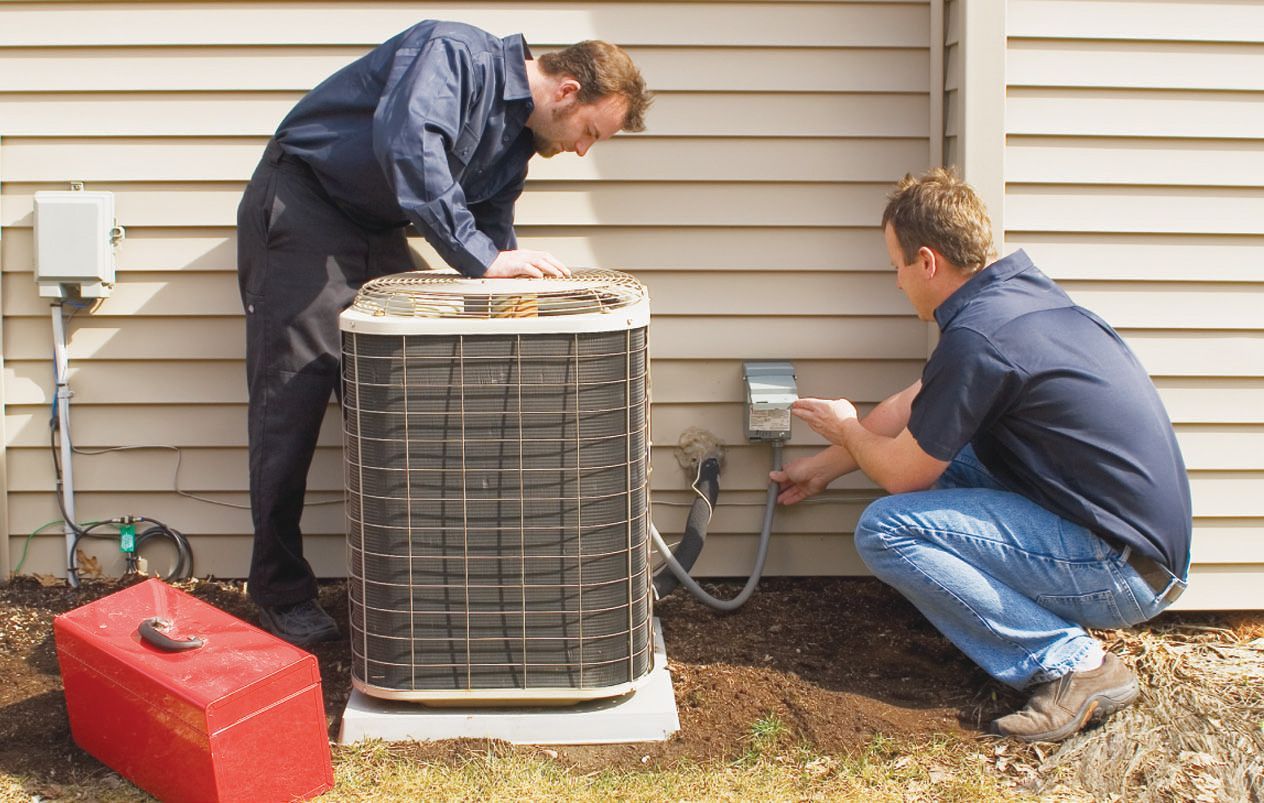
Preparing your home environment creates an efficient service experience for everyone involved. Before the appointment begins, homeowners should clear clutter around indoor units, outdoor condensers, and accessible air vents. Providing unhindered access allows the visiting professional to move freely and carry necessary diagnostic tools without delay. Additionally, securing household pets prevents unexpected distractions during the preliminary evaluation. Removing dust, stored boxes, or outdoor debris surrounding mechanical housing ensures an ideal working area for the technician. This thoughtful initial preparation enables smooth operations, allowing the visiting specialist to focus immediately on evaluating system components, checking safety controls, and identifying performance issues efficiently.
Evaluating Air Filter Conditions for Improved Airflow
Inspecting the air filtration system represents a foundational step in every comprehensive maintenance service. Clogged, dusty filters restrict airflow, forcing blower motors to work significantly harder to circulate air through ductwork. Restricted movement reduces overall system performance, increases wear on internal parts, and lowers indoor air quality over time. During this phase, the technician evaluates filter cleanliness, recommends appropriate replacement schedules, and installs fresh filtration media if necessary. Upgrading to high-efficiency filters captures microscopic allergens, dust mites, and pet dander effectively. Maintaining clean filters ensures uninhibited air circulation, protects internal mechanical parts from dust buildup, and promotes a healthy living environment for occupants.
Inspecting Electrical Connections and Wiring Systems
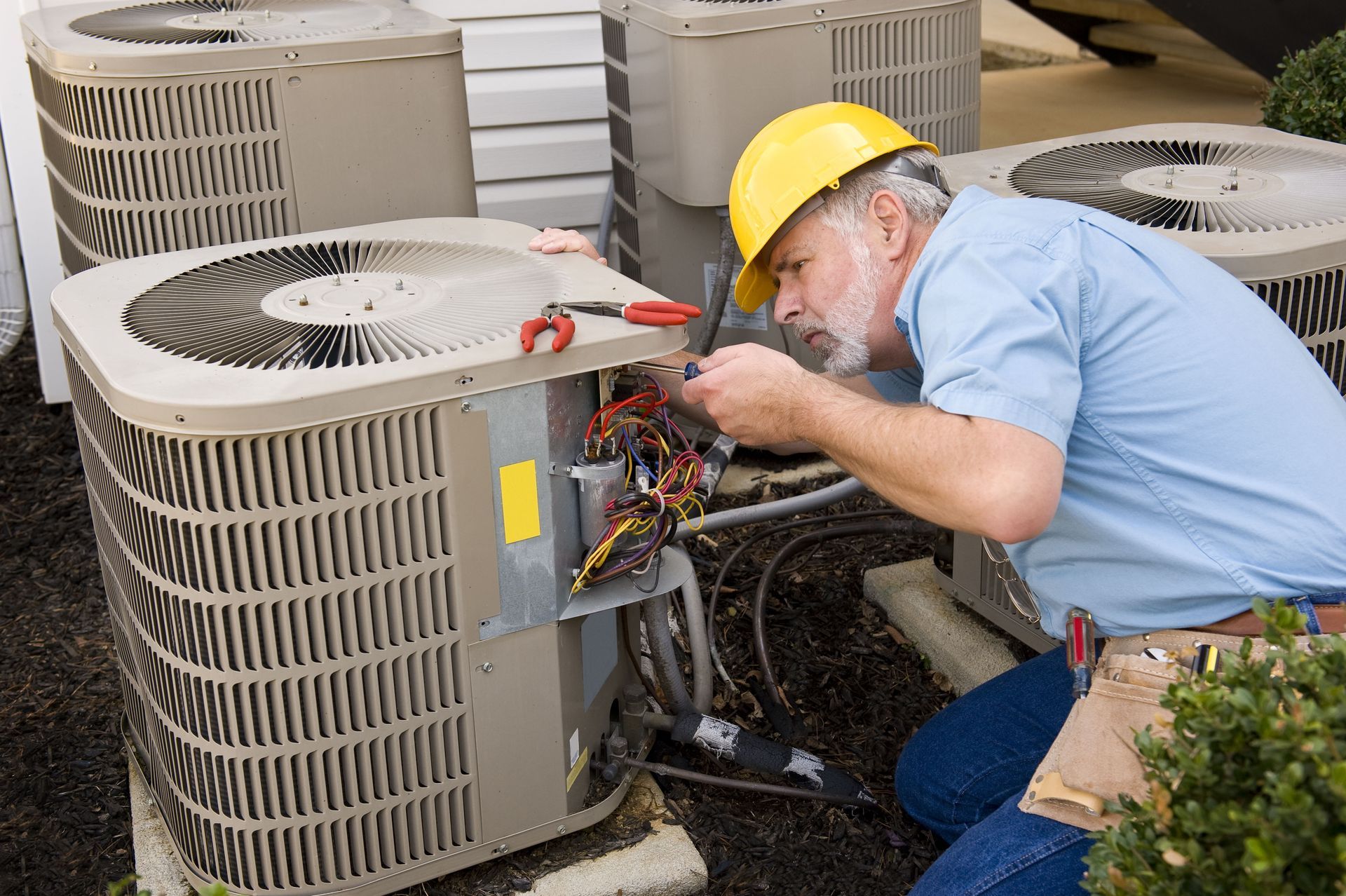
Checking electrical components ensures that heating and cooling units operate safely without posing fire hazards. Over time, normal system vibrations can loosen wiring connections, leading to electrical arcing, blown fuses, or component failure. The visiting expert uses specialized diagnostic instruments to measure voltage, inspect contact points, and secure terminal connections throughout the unit. According to the Department of Energy, heating and cooling accounts for 43% of the average home utility bill. Faulty electrical connections force motors to draw excessive power, driving up utility costs unnecessarily. Securing wiring protects sensitive electronic controls, optimizes power usage, and ensures consistent operational safety across every single seasonal cycle.
Calibrating Thermostat Controls for Optimal Comfort
Accurate thermostat calibration aligns system output with desired indoor temperature settings. A miscalibrated thermostat misreads ambient air temperatures, causing heating or cooling equipment to run unnecessarily long or cycle off prematurely. The technician tests thermostat responsiveness, updates firmware if applicable, and verifies temperature readings against calibrated digital tools. Adjusting differential settings prevents rapid cycling, which places unnecessary mechanical stress on compressor motors and heating elements. Correct calibration maintains precise room temperatures, reduces overall energy consumption, and extends equipment life. Partnering with a skilled HVAC contractor ensures that your thermostat communicates seamlessly with variable-speed blowers and multi-stage heating systems for maximum indoor comfort.
Cleaning Condenser and Evaporator Coils Thoroughly
Deep cleaning outdoor condenser coils and indoor evaporator coils restores crucial heat transfer efficiency. Dirt, foliage, and grime collect on aluminum coil fins over time, creating an insulating layer that prevents refrigerant from absorbing or releasing heat effectively. The specialist uses gentle brushes, specialized chemical cleansers, and low-pressure water sprays to wash away accumulated debris without bending delicate fins. Clean coils allow refrigerant to transfer thermal energy rapidly, drastically reducing operating times. Eliminating grime prevents system overheating, protects expensive compressor units from catastrophic failure, and restores system capacity, allowing your cooling equipment to refresh interior living spaces effortlessly during peak summer heat.
Lubricating Moving Parts to Reduce Mechanical Friction
Applying high-grade lubricants to bearings, blower motors, and fan shafts prevents destructive friction. Unlubricated metal components generate excessive heat, produce grinding noises, and suffer accelerated mechanical wear during continuous operation. During a routine tune-up, the technician inspects all moving assemblies, applies precise amounts of oil or grease, and checks shaft alignment. Proper lubrication enables motors to rotate smoothly, reducing operational noise and minimizing electrical resistance. Smooth mechanical movement lowers energy consumption while preventing sudden motor burnouts. Relying on an experienced HVAC contractor ensures that every bearing receives proper care, keeping your heating and cooling equipment running quietly and reliably throughout the year.
Examining Blower Motor Assemblies and Fan Blades
Inspecting the blower motor assembly ensures that conditioned air moves efficiently into every room. Over time, fan blades accumulate heavy layers of dust and debris, which unbalances the wheel and strains the motor bearings. The technician cleans fan blades, inspects drive belts for fraying, and measures motor amp draw to verify performance levels. Balancing the blower assembly eliminates vibration, reduces operational noise, and ensures consistent airflow through supply ducts. Proper airflow prevents evaporator coils from freezing in summer and prevents heat exchangers from overheating in winter. A qualified HVAC contractor identifies minor motor defects early, preventing sudden blower failures during extreme weather conditions.
Checking Refrigerant Levels and Repairing Minor Leaks
Verifying correct refrigerant charge levels ensures efficient cooling performance during hot summer months. Incorrect refrigerant levels—whether too high or too low—stress the compressor, reduce cooling capacity, and increase monthly electricity expenses significantly. The technician connects pressure gauges to service valves, measuring heating and cooling temperatures to determine the exact refrigerant charge. If pressure readings fall below factory specifications, the specialist inspects line sets for tiny pinhole leaks using electronic leak detectors. Repairing leaks promptly protects the environment and prevents expensive compressor burnouts. Consulting a certified HVAC contractor guarantees that refrigerant handling adheres strictly to environmental regulations and manufacturer guidelines.
Inspecting Heat Exchangers and Burner Assemblies Safely
Testing heating assemblies protects household occupants from dangerous gas leaks and toxic carbon monoxide accumulation. During winter tune-ups, the specialist thoroughly inspects cracking in metal heat exchangers, cleans gas burner orifices, and adjusts pilot or electronic ignition systems. A cracked heat exchanger allows combustion gases to mix directly with indoor breathing air, presenting severe health risks. The technician performs combustion analysis, measuring flue gas composition to ensure clean fuel burn. Cleaning burners ensures smooth ignition and prevents soot buildup within heat passages. Working with a knowledgeable HVAC contractor provides immense peace of mind, verifying that the heating system operates safely and cleanly.
Flushing Condensate Drain Lines to Prevent Overflow
Clearing condensate drain pans and drain lines prevents costly indoor water damage and mold contamination. As cooling systems remove humidity from indoor air, moisture collects in a drain pan and flows outside through PVC piping. Over time, algae, dust, and fungal spores clog these narrow drain lines, causing water to back up and overflow into surrounding living areas or ceilings. The technician flushes drain lines with clearing solutions, vacuums lingering debris, and verifies that automatic safety float switches function correctly. Clearing drainage pathways prevents hidden water rot, eliminates stagnant odors, and maintains healthy indoor humidity management throughout humid summer seasons.
Concluding the maintenance appointment involves a comprehensive review of all findings, repairs, and recommended actions. The technician provides a detailed written report outlining electrical readings, system pressures, component conditions, and potential areas of concern. Discussing these results helps homeowners understand the current health of their heating and cooling equipment and plan for future upgrades. The specialist answers questions regarding thermostat scheduling, air filter choices, and energy-saving strategies tailored to the residence. Establishing clear communication empowers residents to make informed decisions regarding their home comfort investment. Engaging an authoritative HVAC contractor ensures long-term operational reliability, protecting your home against unexpected equipment breakdowns.
Are you seeking a professional HVAC contractor in the Joplin, MO area? Colgin's Pro-Air handles AC services, heating services, and much more! Contact us today to schedule your next service appointment.